[ad_1]
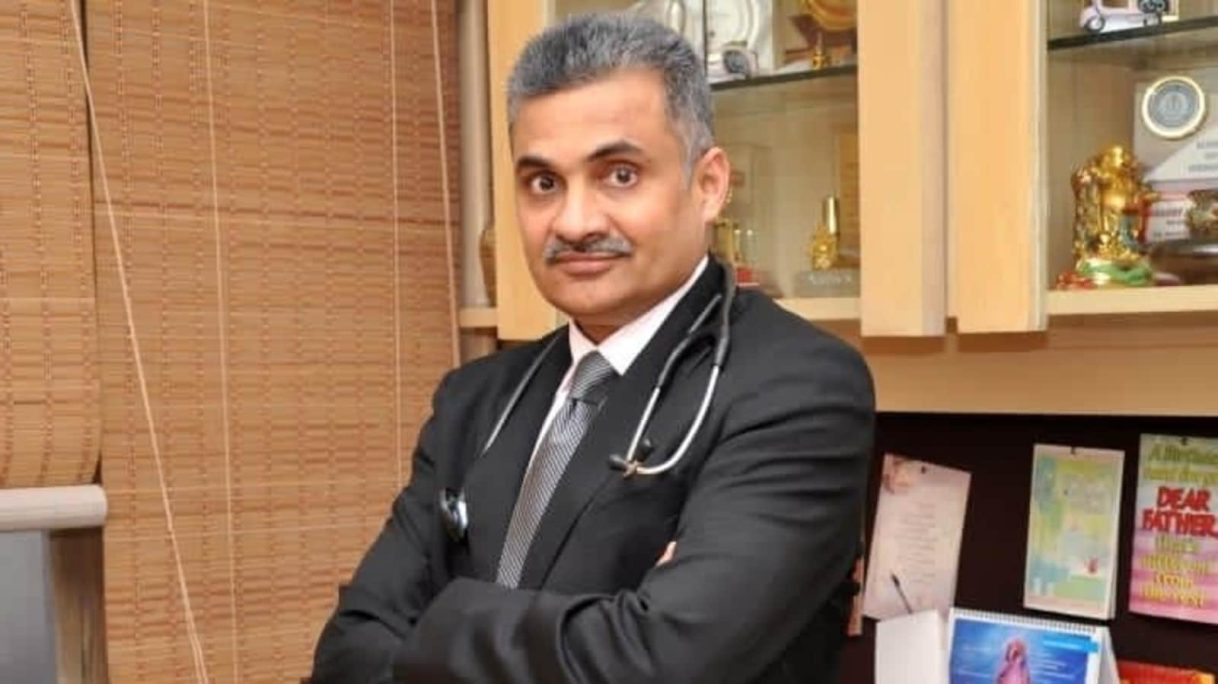
In a recent episode of the #MattersOfTheHeart series by Abbott on Health wise, host Kartik had an engaging discussion with Dr Praveer Agarwal, Chairman Cardiology at Escorts Heart Institute & Research Centre, New Delhi. The conversation focused on the growing importance of cardiovascular health amidst rising incidences of cardiovascular diseases (CVDs) linked to modern lifestyle changes.
While talking about CVDs, Dr Agarwal first pointed out how heart disease affects Indians a decade earlier than the Western population. He said that people are prematurely (40 to 50-year-olds) getting heart attacks and losing some functionality of their cardiac muscles. He further stated that as the presentation of CVD’s is often a premature heart attack, which even might be fatal, precautions should be taken early on.
He further spoke about preventive measures essential for maintaining heart health and emphasized the importance of a balanced, heart-healthy diet while discouraging the consumption of processed foods and tobacco products. He urged people to get their blood sugar levels tested as diabetes can lead to ischemic heart diseases (CVD’s). Regular physical activity also is crucial, with Dr Agarwal recommending at least 30 to 40 minutes of moderate exercise daily, particularly for those with sedentary jobs. He also stressed the importance of taking periodic breaks from work to support both mental and physical well-being.
He highlighted a compelling case of coronary heart disease in a 36-year-old patient, underscoring the critical interplay between genetic predisposition and lifestyle factors. The patient’s family history of heart disease, coupled with a decade-long smoking habit, resulted in severe blockages (>90%) across all three major arteries, drastically reducing the function of his heart by 50%. This stark example illustrates the need for early diagnosis and timely intervention.
Advancements in treatment
Dr. Agarwal briefly touched upon the various tests that help diagnose CVDs. He spoke extensively on the difference between angiography and angioplasty as people usually use these terms interchangeably.
He highlighted that angiography is an imaging technique used to visualize blood vessels and detect abnormalities, blockages, or other issues. It involves injecting a contrast dye into the bloodstream and taking X-ray images, allowing doctors to see detailed images of the arteries. It helps pinpoint the exact location of any narrowed or blocked arteries.
Angioplasty, on the other hand, Dr Agarwal said is a treatment procedure used to open narrowed or blocked arteries. It is often performed after angiography has detected a blockage. During angioplasty, a catheter with a small balloon at the tip is inserted into the blocked artery. Once in place, the balloon is inflated to compress the plaque against the artery walls, thus widening the vessel and restoring blood flow.
He further shared information on how stents function and the various options that are available to patients. Dr Agarwal added that stents are small, mesh-like tubes inserted into an artery during angioplasty to keep the vessel open. After the balloon widens the artery, the stent is deployed, providing structural support and preventing re-narrowing, known as restenosis. Stents are left in place permanently, as they act as a scaffold to maintain proper blood flow.
He further added that in 2001, drug-eluting stents (DES) were introduced, which significantly advanced the treatment of CVDs. Before DES, bare-metal stents were commonly used but had a higher rate of restenosis (re-narrowing). DES helped reduce this complication by slowly releasing a drug that inhibits the uncontrolled growth of tissue within the stent.
Dr Agarwal also underscored the importance of coronary imaging in the diagnosis and treatment of cardiovascular diseases. With advanced technologies like intravascular ultrasound and optical coherence tomography (OCT), doctors can guide angioplasty procedures more precisely, leading to improved patient outcomes.
Therefore, for patients who undergo such procedures, Dr Agarwal reassured that they could resume their lives without limitations. Adhering to prescribed medications, attending follow-up appointments, and committing to lifestyle modifications are vital for long-term outcomes. With advancements in stent technology and minimally invasive techniques, the prognosis for patients today is significantly improved, allowing them to enjoy a quality of life previously thought unattainable after such procedures.
Dr Agarwal encouraged listeners to take an active approach to their heart health. Regular check-ups are particularly essential for those with a family history of heart disease. By recognizing risk factors and making informed lifestyle choices, individuals can navigate their healthcare journeys effectively.
Note to the Reader: This article has been produced on behalf of the brand by HT Brand Studio and does not have journalistic/editorial involvement of Hindustan Times.
Want to get your story featured as above? click here!
[ad_2]
brand-stories , cardiovascular health,cardiovascular diseases,heart disease,heart health,angioplasty ,
#Protect #heart #advanced #technologies
HT Brand Stories | Hindustan Times

